
Cosmetic Dentistry
Teeth Whitening in Notting Hill
Professional dentist-supervised teeth whitening with custom-made trays, designed to safely brighten your smile with natural-looking results from our Westbourne Grove clinic.
Professional Teeth Whitening in Notting Hill
Teeth whitening is one of the most popular cosmetic dental treatments because it can improve the appearance of the smile without changing the shape or structure of the teeth. It is often chosen by patients who feel their teeth have become darker, stained or less fresh-looking over time.
At Keep Smiling Dental Practice, we provide professional teeth whitening treatment from our private clinic on Westbourne Grove in Notting Hill. Treatment is dentist-supervised and planned around your oral health, current tooth shade and personal smile goals.
Everyday habits can gradually affect tooth colour. Coffee, tea, red wine, smoking, certain foods, some medications and natural ageing can all contribute to staining or discolouration. Professional whitening is designed to lighten natural tooth enamel in a controlled way while helping reduce unnecessary sensitivity or gum irritation.
The current Keep Smiling approach focuses on professional at-home whitening using custom-made trays and dentist-prescribed whitening gel. This gives patients the ability to whiten gradually, monitor progress and maintain results with future top-ups where clinically appropriate.
Why Choose Dentist-Supervised Whitening?
Whitening is a dental treatment, not simply a beauty product. Before whitening begins, your dentist should assess your teeth, gums and existing restorations to make sure treatment is suitable and safe.
Over-the-counter whitening products may appear convenient, but they are not personalised to your mouth and may be less effective. Some products can also be abrasive or unsuitable for patients with gum problems, tooth sensitivity, decay or leaking restorations.
Professional whitening uses custom-fitted trays made from impressions or scans of your teeth. These trays help hold the whitening gel evenly and comfortably against the teeth while reducing unnecessary contact with the gums.
The result is a more controlled process than generic strips or online kits, with advice from a dental professional if sensitivity occurs or if the shade change is not progressing as expected.
Home Whitening Compared with Laser Whitening
Many patients ask whether home whitening or laser whitening is better. The right choice depends on expectations, sensitivity risk, budget and how you want to maintain the result.
Professional home whitening can be a strong option because the process is gradual, personalised and repeatable. Custom trays allow patients to continue treatment until the recommended result is achieved, then maintain the shade later with appropriate professional advice.
Laser whitening may appear appealing because it is marketed as fast, but quick results do not always mean better long-term satisfaction. Some patients experience sensitivity with high-concentration whitening approaches, and shade relapse may still occur over time.
Keep Smiling’s current advice places emphasis on professionally supervised home whitening because it can deliver predictable, longer-term shade control while allowing patients to top up results when needed.
Whitening, Restorations and Smile Makeover Planning
Teeth whitening often connects with other cosmetic and restorative treatments. If you are considering composite bonding or white fillings, crowns, veneers, Invisalign or a smile makeover, the order of treatment matters.
In many cases, whitening is planned before new visible restorations are placed. This allows the shade of composite fillings, crowns or cosmetic restorations to be matched to the brighter tooth colour rather than the original darker shade.
For patients considering Invisalign, whitening may be planned after alignment so the final smile is both straighter and brighter. For smile makeover patients, whitening may be one part of a wider plan that also considers tooth shape, position and restorative needs.
If you feel nervous about starting cosmetic dental treatment, our support for nervous dental patients explains how appointments are approached gently and clearly.
Managing Sensitivity and Maintaining Results
Some temporary sensitivity can occur during whitening. This does not happen to everyone, and dentist-supervised treatment helps manage risk by selecting an appropriate system, confirming correct tray fit and giving tailored instructions.
Results are not permanent. Coffee, tea, red wine, smoking and strongly coloured foods can all contribute to future staining. Good oral hygiene, regular dental hygiene appointments and occasional top-ups may help maintain the result.
Because custom trays are made for your teeth, they may be used for future maintenance where your dentist confirms this is appropriate. This is one of the practical advantages of professional home whitening.
Benefits of Professional Teeth Whitening
Professional teeth whitening can provide a visible cosmetic improvement while remaining relatively conservative compared with more involved cosmetic dentistry.
- Brighter smile: whitening can lighten natural teeth affected by staining and ageing.
- Dentist-supervised safety: treatment suitability is assessed before whitening begins.
- Custom tray comfort: trays are made to fit your teeth rather than supplied as a generic product.
- Gradual shade control: at-home whitening allows progress to build over time.
- Natural-looking results: whitening improves tooth colour without changing tooth shape.
- Maintenance potential: trays can often be used for future top-ups with professional advice.
How Teeth Whitening Treatment Works
Professional home whitening usually involves two dental visits followed by a home treatment phase. Your dentist will explain the correct wear time and usage instructions for your specific whitening system.
- Consultation and assessment. Your dentist checks your teeth, gums, restorations and whitening goals.
- Impressions or scans. Records are taken so custom whitening trays can be made.
- Tray fitting and instructions. Your whitening trays and gel are supplied with clear guidance.
- Home whitening phase. Gel is placed in the trays and worn as advised, often over one to two weeks.
- Review and maintenance advice. Your dentist can advise on sensitivity, shade progress and future top-ups.
The live Keep Smiling page explains that patients may wear trays for a period ranging from around 30 minutes to two hours per day, or overnight, depending on the product and advice provided. Exact instructions should always come from your dentist.
Is Teeth Whitening Right for You?
Teeth whitening may be suitable if you have healthy teeth and gums and want to improve staining or natural discolouration. It is especially popular before weddings, important events, work functions, holidays or as part of a wider smile improvement plan.
Whitening only works on natural tooth enamel. It will not whiten crowns, veneers, dentures, composite bonding or white fillings. If you have visible restorations, these may need to be reviewed before or after whitening so the final smile looks balanced.
You may need dental examination, hygiene treatment or restorative care before whitening begins if there is decay, gum inflammation, sensitivity or failing dental work. This ensures whitening is carried out on a healthy foundation.
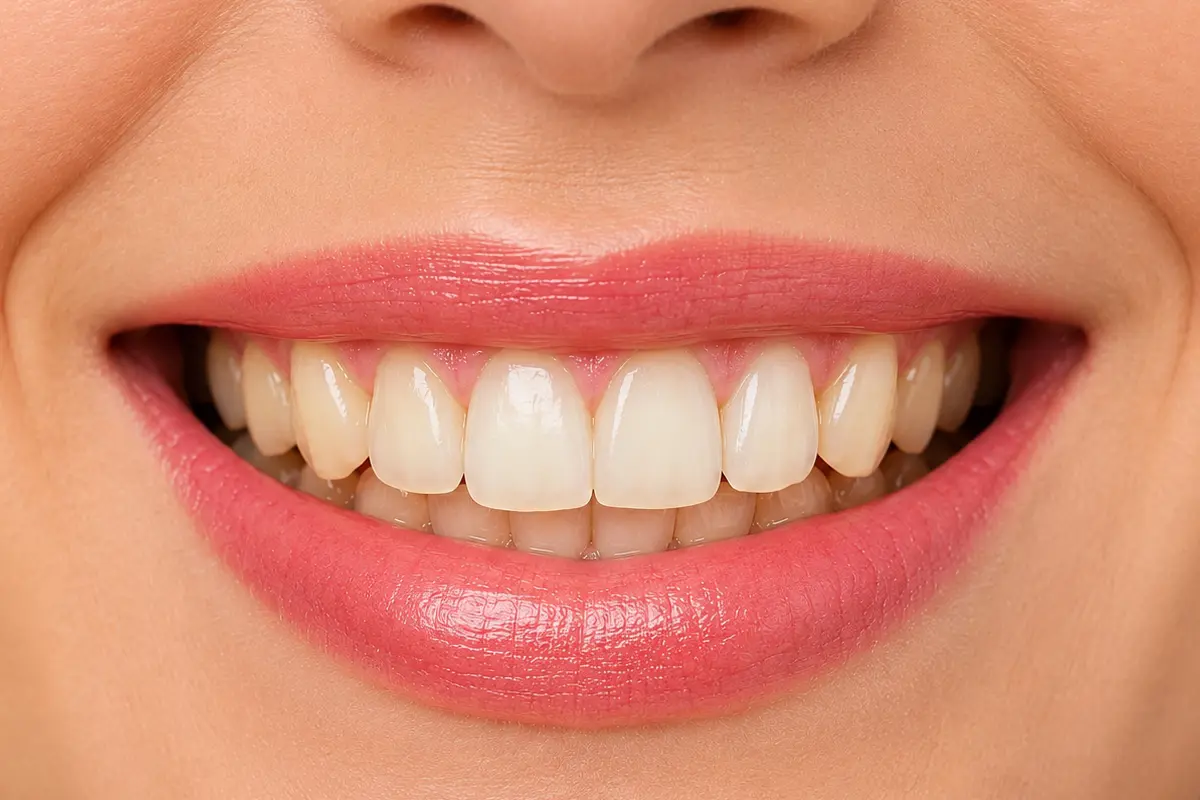
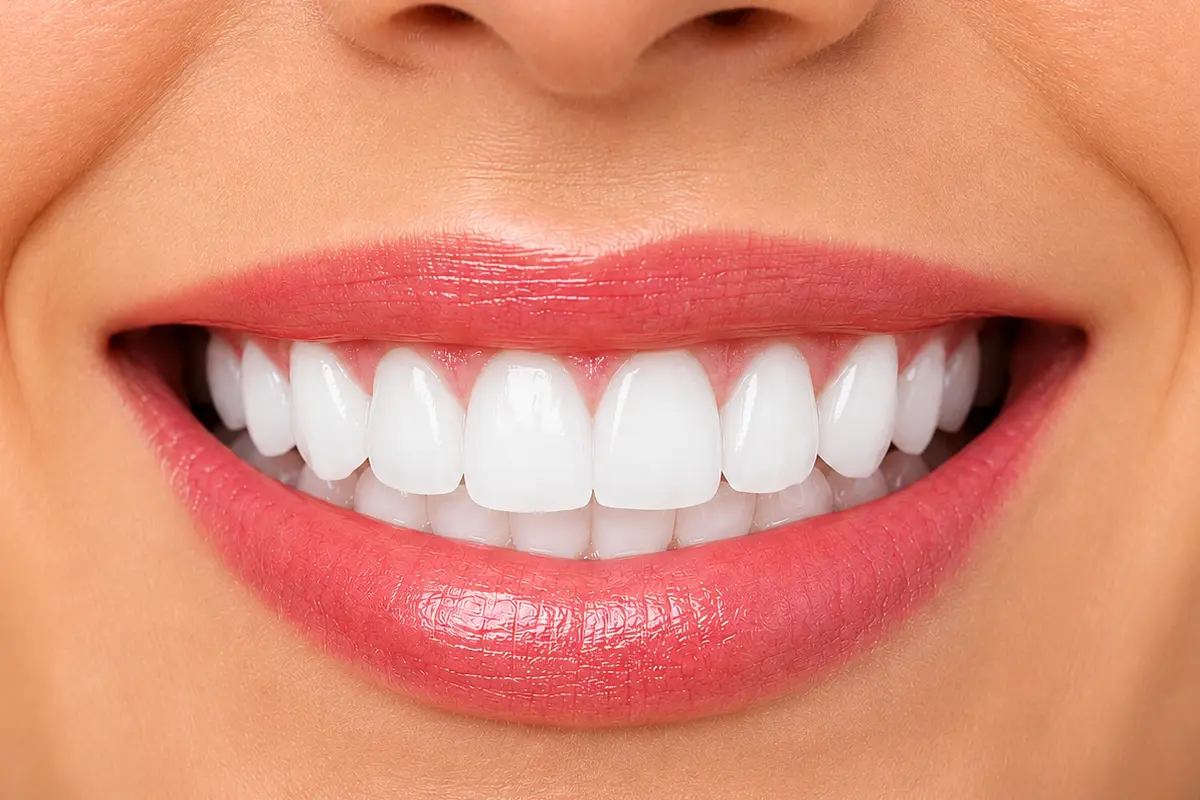
Smile Whitening Results
Whitening results vary depending on the starting shade, staining type, diet, lifestyle and how consistently the trays are used. Many patients achieve a noticeably brighter smile, although the exact number of shade changes differs from person to person.
The aim is a cleaner, fresher and more confident smile that still looks natural. Your dentist can explain realistic expectations during consultation.
Frequently Asked Questions
How long does teeth whitening take?
Professional home whitening often involves wearing trays over one to two weeks, but the exact timing depends on the whitening system and your dentist’s instructions.
Is professional teeth whitening safe?
Yes, when prescribed and supervised by a dentist for a suitable patient. Your teeth and gums should be assessed before treatment begins.
Will whitening damage my teeth?
Professional whitening should not damage healthy teeth when used correctly under dental guidance.
Does whitening work on crowns, veneers or fillings?
No. Whitening only lightens natural tooth enamel. Crowns, veneers, dentures, bonding and fillings will not change colour.
Is home whitening better than laser whitening?
Professional home whitening can offer gradual, controlled results with the option for future top-ups. The best approach depends on your goals and sensitivity risk.
Will my teeth become sensitive?
Some patients experience temporary sensitivity. Dentist-supervised whitening helps manage this through appropriate instructions and tray fit.
How long do whitening results last?
Results vary depending on diet, smoking, oral hygiene and maintenance. Regular hygiene appointments and professional top-ups may help maintain brightness.
Should I see the hygienist before whitening?
Often yes. Hygiene treatment can remove deposits and surface staining, creating a cleaner foundation before whitening begins.